FACT ADVISORS highlights common accounting and tax planning mistakes that could leave Los Angeles business owners facing unexpected expenses, missed deductions, and financial complications as 2026 comes to a close.
Beverly Hills, CA, United States, 30th Oct 2026 – As the end of the 2026 tax year approaches, Beverly Hills-based accounting and financial advisory firm FACT ADVISORS is encouraging business owners throughout Los Angeles to review their finances before December 31.
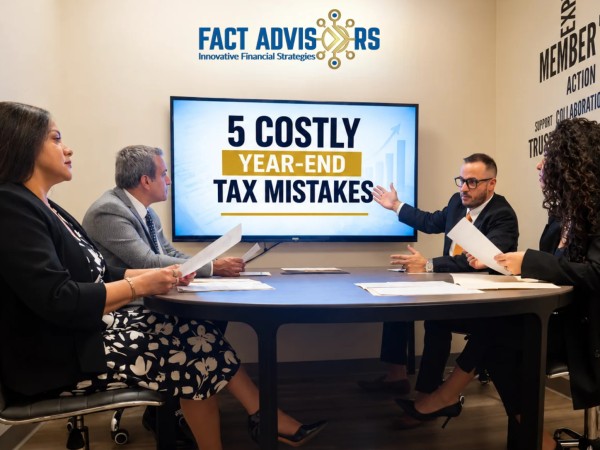
For many businesses, year-end tax preparation begins too late. Incomplete bookkeeping, overlooked tax obligations, and poorly timed financial decisions can create unnecessary expenses and complications when tax season arrives.
FACT ADVISORS has identified five common mistakes business owners should address before closing their books for 2026.
1. Waiting Until Tax Season to Fix Inaccurate Bookkeeping
One of the most preventable mistakes is allowing bookkeeping problems to accumulate throughout the year.
Unreconciled accounts, incorrectly categorized expenses, missing transactions, and inaccurate financial statements can make it difficult to determine a business’s true profitability or taxable income.
What businesses should do: Reconcile accounts, review financial statements, and resolve discrepancies before the year ends.
2. Failing to Estimate Taxes Before December 31
Business owners who wait until their tax returns are prepared may discover that they owe significantly more than anticipated.
Changes in revenue, profitability, business structure, and estimated tax payments can all affect year-end tax obligations.
For many taxpayers, the final federal estimated tax payment for 2026 is due January 15, 2027. However, payment requirements and deadlines depend on the taxpayer’s circumstances.
What businesses should do: Review projected taxable income, estimated payments, and potential tax liabilities with a qualified advisor before year-end.
3. Assuming California and Federal Tax Deductions Work the Same Way
Federal tax changes have created opportunities for businesses to deduct qualifying investments, but California does not always follow the same rules.
For example, federal law generally allows 100% bonus depreciation for eligible business property acquired and placed in service after January 19, 2025. California does not conform to this federal bonus depreciation provision.
Failing to account for these differences can produce inaccurate expectations about a business’s tax savings.
What businesses should do: Evaluate both federal and California tax consequences before making major purchases or year-end financial decisions.
4. Making Last-Minute Purchases Just to Reduce Taxes
Buying equipment, vehicles, or other business assets solely to generate a tax deduction can be an expensive mistake.
Not every purchase qualifies for immediate expensing, and the timing of acquisition, eligibility requirements, business use, and applicable tax rules can affect the deduction.
An unnecessary purchase may also reduce cash reserves that a business needs for payroll, operations, or growth.
What businesses should do: Evaluate potential deductions alongside cash flow, profitability, and long-term business needs.
5. Overlooking Contractor Payments and Payroll Reporting Requirements
Inaccurate contractor records, worker misclassification, and incomplete payroll documentation can result in reporting problems and potential penalties.
Businesses should also be aware of changes to federal information reporting requirements.
For qualifying nonemployee compensation payments made in 2026, the general Form 1099-NEC reporting threshold increased from $600 to $2,000, subject to applicable exceptions.
What businesses should do: Review contractor payments, employee classifications, payroll records, and required tax forms before the filing season begins.
Why Year-End Financial Planning Matters
FACT ADVISORS emphasizes that year-end accounting should go beyond filing tax returns.
A comprehensive review of financial records, business expenses, tax obligations, and cash flow can help business owners identify risks and develop a clearer financial strategy for the coming year.
For small and medium-sized businesses throughout Beverly Hills and Los Angeles, taking action before year-end can help improve financial visibility, support compliance, and prevent avoidable surprises.
About FACT ADVISORS
FACT ADVISORS is a financial advisory and accounting firm providing integrated services across finance, accounting, cryptocurrency advisory, and tax planning for businesses and individuals.
With a Beverly Hills office at 8383 Wilshire Blvd, Suite 830, the firm serves entrepreneurs, small and medium-sized businesses, real estate professionals, contractors, and growing companies throughout the Los Angeles area.
Business owners interested in reviewing their accounting records or preparing a year-end tax strategy can learn more through the firm’s Beverly Hills Accounting Services and Tax Advisory & Planning Services.
Media Contact
Organization: FACT ADVISORS – BEVERLY HILLS
Contact Person: Jean-Pierre Sfeir
Website: https://www.factadvisors.com/financial-advisor-beverly-hills
Email: Send Email
Contact Number: +18887103228
Address: 8383 Wilshire Blvd
Address 2: Suite 830
City: Beverly Hills
State: CA
Country: United States
Release id: 50302
View source version on King Newswire:
Beverly Hills Accounting Firm Shares 5 Year-End Tax Mistakes Businesses Should Avoid in 2026
Disclaimer: The views, suggestions, and opinions expressed here are the sole responsibility of the experts. No Marketwise Analytics journalist was involved in the writing and production of this article.